1️⃣ Supply of Instruments
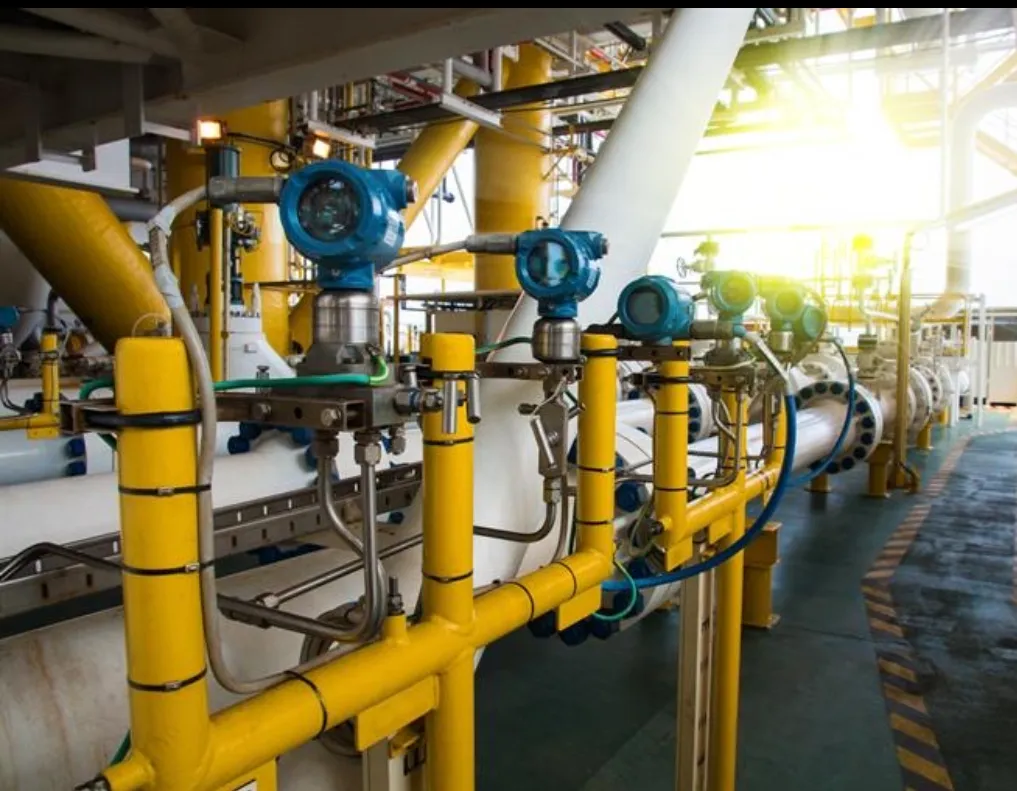
Providing required field instruments according to project specification.
Typical instruments include:
• Pressure transmitters
• Flow transmitters
• Level transmitters
• Temperature sensors (RTD and Thermocouple)
• Control valves
• Level switches
• Pressure gauges
⸻
2️⃣ Installation of Field Instruments
Mechanical installation at the site.
Work includes:
• Mounting transmitters on process lines
• Installing thermowells for temperature sensors
• Installing level sensors on tanks
• Mounting junction boxes and instrument stands
• Proper alignment and tightening
⸻
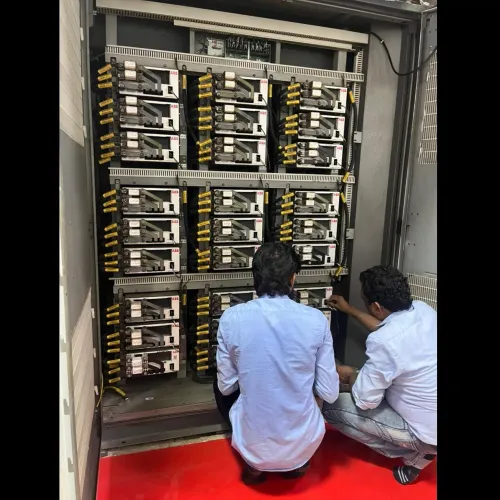
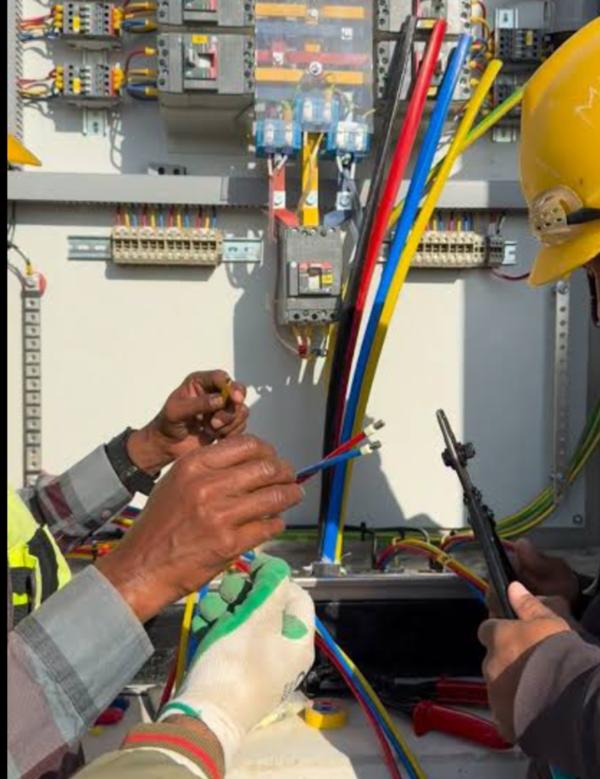
3️⃣ Cable Laying and Termination
Electrical work for connecting instruments.
Includes:
• Laying instrument cables
• Cable tray routing
• Glanding and termination
• Connection in marshalling panel, PLC panel or DCS panel
⸻
4️⃣ Loop Checking
Checking complete signal path from field instrument to control panel.
Example:
Field transmitter → cable → junction box → marshalling panel → PLC and DCS.
Purpose:
• Ensure correct wiring
• Verify signal transmission
⸻
5️⃣ Calibration of Instruments
Calibration ensures the instrument gives accurate readings.
Typical tasks:
• Pressure transmitter calibration
• Flow transmitter calibration
• Level transmitter calibration
• Temperature sensor testing
Using:
• Calibrators
• Pressure pumps
• Multimeters
6️⃣ Testing
Testing system operation before starting plant.
Includes:
• Signal simulation (4–20 mA)
• Alarm checking
• Interlock checking
• Communication testing with PLC and DCS
7️⃣ Commissioning
Final step where the instruments are made operational in the plant.
Work includes:
• Parameter configuration
• Functional testing
• Integration with control system
• Trial run of the plant
Providing required field instruments according to project specification.
Typical instruments include:
• Pressure transmitters
• Flow transmitters
• Level transmitters
• Temperature sensors (RTD and Thermocouple)
• Control valves
• Level switches
• Pressure gauges
⸻
2️⃣ Installation of Field Instruments
Mechanical installation at the site.
Work includes:
• Mounting transmitters on process lines
• Installing thermowells for temperature sensors
• Installing level sensors on tanks
• Mounting junction boxes and instrument stands
• Proper alignment and tightening
⸻
3️⃣ Cable Laying and Termination
Electrical work for connecting instruments.
Includes:
• Laying instrument cables
• Cable tray routing
• Glanding and termination
• Connection in marshalling panel, PLC panel or DCS panel
⸻
4️⃣ Loop Checking
Checking complete signal path from field instrument to control panel.
Example:
Field transmitter → cable → junction box → marshalling panel → PLC and DCS.
Purpose:
• Ensure correct wiring
• Verify signal transmission
⸻
5️⃣ Calibration of Instruments
Calibration ensures the instrument gives accurate readings.
Typical tasks:
• Pressure transmitter calibration
• Flow transmitter calibration
• Level transmitter calibration
• Temperature sensor testing
Using:
• Calibrators
• Pressure pumps
• Multimeters
6️⃣ Testing
Testing system operation before starting plant.
Includes:
• Signal simulation (4–20 mA)
• Alarm checking
• Interlock checking
• Communication testing with PLC and DCS
7️⃣ Commissioning
Final step where the instruments are made operational in the plant.
Work includes:
• Parameter configuration
• Functional testing
• Integration with control system
• Trial run of the plant
Keywords